News and Blog

Net Zero in Singapore: A Practical Guide for Businesses

Singapore is moving towards a lower-carbon economy, bringing greater attention to how businesses use energy, manage resources and account for emissions. For some organisations, this shift is being shaped by regulation. For others, it is increasingly influenced by customer expectations, supplier requirements and broader sustainability commitments.

Responding to this transition does not mean changing everything at once. For most businesses, a practical starting point is gaining a clearer picture of where emissions arise, which areas have the greatest impact and where meaningful reductions can realistically be made.

What Does Singapore’s Net-Zero Target Mean for Businesses?

The Singapore Green Plan 2030 supports the country’s broader move towards a more sustainable and lower-carbon economy. Singapore aims to reduce emissions to around 60 MtCO₂e by 2030, lower them further to 45–50 MtCO₂e by 2035, and achieve net-zero emissions by 2050.

These are national targets rather than individual emissions limits for every business. However, they are shaping the wider environment in which organisations operate, with energy efficiency, emissions management and sustainability reporting becoming increasingly relevant to business planning and decision-making.

For businesses, this transition is closely connected with decarbonisation, which involves reducing emissions through measures such as improving energy efficiency, adopting cleaner energy and reviewing transport, materials and operational practices. The priorities will differ across industries, as an energy-, fuel- or material-intensive business will face different challenges from an office-based organisation.

Why Does Decarbonisation Matter for Singapore Businesses?

The impact of decarbonisation extends beyond environmental goals. As Singapore progresses towards net zero, businesses can also encounter changes in operating costs, procurement requirements, reporting expectations and sustainability requests from customers and partners.

Not every organisation will be directly affected by the same regulations, but requirements placed on larger businesses can extend through their supply chains. Two developments in particular show how this wider transition can affect organisations: Singapore’s carbon tax and sustainability reporting requirements.

Singapore’s Carbon Tax

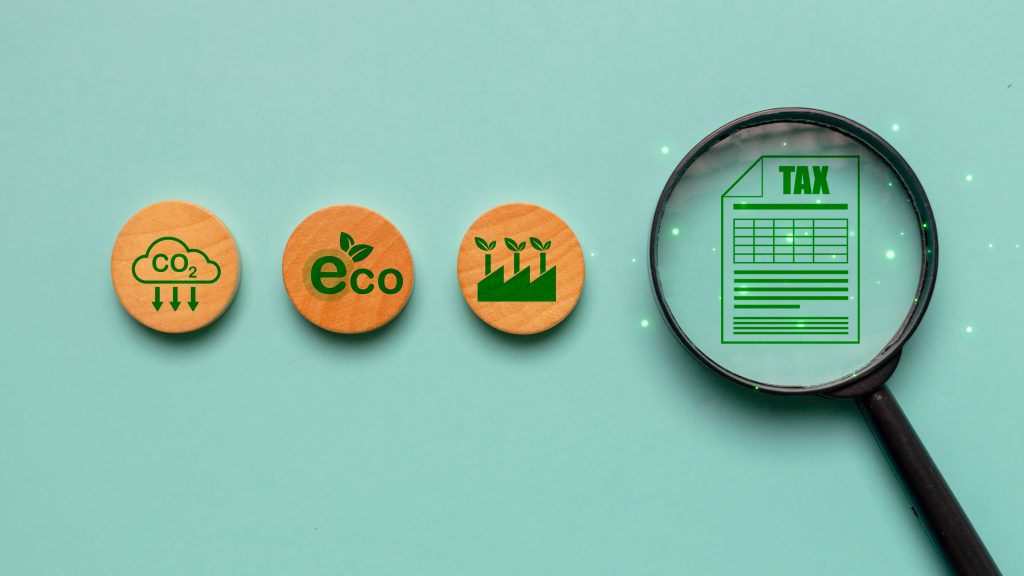
The Singapore carbon tax does not apply directly to every business. According to the National Environment Agency, it applies to industrial facilities with at least 25,000 tonnes of CO₂e in annual direct greenhouse gas emissions.

The carbon tax rate is:

  • S$45 per tonne of CO₂e in 2026 and 2027
  • Expected to rise to between S$50 and S$80 per tonne by 2030

Businesses below this threshold are not automatically liable for the tax, but indirect effects can still arise. Suppliers that are directly affected can face higher operating costs, while businesses further along the supply chain can experience changes in pricing, procurement requirements or sustainability expectations.
Sustainability Expectations Can Extend Through Supply Chains

Climate-related reporting requirements are also being introduced in phases for larger organisations in Singapore. The Accounting and Corporate Regulatory Authority sets out the current requirements and implementation timeline for listed and large non-listed companies.

Although these requirements do not apply equally to every organisation, larger companies often rely on information from suppliers and partners to understand emissions across their wider value chain. This can include data relating to energy use, transport, materials and purchased goods.

Smaller businesses can therefore find themselves being asked for sustainability information even when they are not directly subject to reporting requirements. Understanding their emissions can help them respond more confidently to customers, procurement teams and business partners as these expectations become more common.

From Understanding Emissions to Taking Action

For businesses looking to respond to these changing expectations, decarbonisation can be approached as a gradual process rather than a single initiative. The SME Sustainability Hub uses a broader Learn → Measure → Act framework to help businesses understand and manage their emissions.

In practice, this can be considered across five connected stages:

Understand → Measure → Prioritise → Act → Track

1. Understand the Main Emission Sources

Business emissions are commonly grouped into three categories:

Emission category Examples
Scope 1: Direct emissions Company vehicles, equipment and on-site fuel use
Scope 2: Purchased energy Electricity used in offices or facilities
Scope 3: Value-chain emissions Suppliers, logistics, purchased goods and business travel

Scope 1 covers emissions from sources the business owns or controls, while Scope 2 covers emissions linked to purchased energy. Scope 3 includes other indirect emissions generated across the value chain.

The balance will differ according to the nature of the organisation. For example, an office-based company can find that electricity and purchased services account for a larger share of its footprint, while a logistics or manufacturing business can have more emissions associated with transport, equipment or fuel.

Identifying these major sources gives the organisation a clearer view of what is driving its carbon footprint and where closer measurement is likely to be most useful.

2. Establish an Emissions Baseline

Once the main sources have been identified, businesses can establish a baseline against which future progress can be assessed.

This typically involves gathering information such as electricity consumption, fuel use and other relevant operational data, then applying suitable emission factors to estimate greenhouse gas emissions. The SME Sustainability Hub’s guidance on measuring carbon emissions provides further information on building a greenhouse gas inventory. Singapore businesses can also refer to the Singapore Emission Factors Registry and available carbon calculation tools.

The objective is not necessarily to build a perfect system from the outset. A consistent and reliable baseline is more valuable because it allows the organisation to see how emissions change over time and whether subsequent actions are making a difference.

3. Identify Where Reductions Matter Most
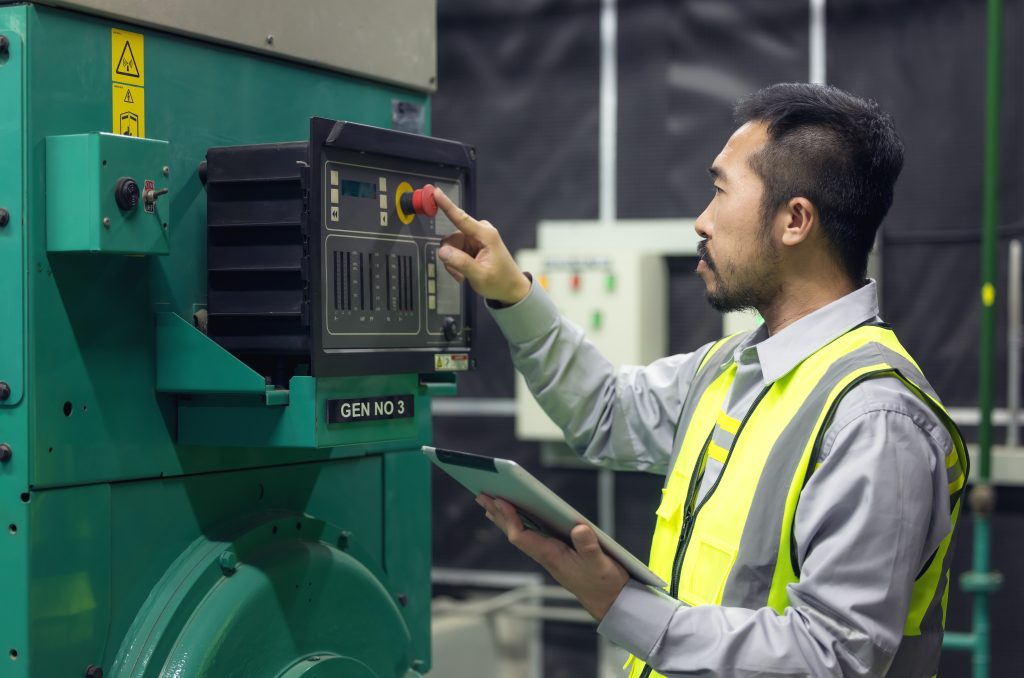
With a clearer emissions profile, businesses can assess where reductions are likely to deliver the most meaningful results.

The strongest opportunities will vary by organisation. Depending on the nature of their operations, businesses could find their greatest opportunities for emissions reduction in areas such as energy consumption, fuel use, transportation, materials or supply chain activities. 

The most appropriate priorities therefore depend on both environmental impact and the organisation’s ability to influence the source of those emissions. Focusing on areas where meaningful change is achievable can help businesses direct resources more effectively.

4. Turn Priorities Into Action

Once the most relevant opportunities are clear, they can be translated into measurable targets, responsibilities and timelines. The SME Sustainability Hub’s ACT guidance recommends setting emissions-reduction targets and developing an action plan to support them.

One organisation could target electricity consumption in a particular facility, while another could focus on transport emissions or improving emissions information from key suppliers.

Clear ownership helps connect broader sustainability ambitions with day-to-day business decisions. Targets become more useful when teams understand what needs to change, who is responsible and how progress will be assessed.

5. Review Progress and Adapt

Decarbonisation is not a one-time exercise. Comparing current emissions with the original baseline can show whether initiatives are delivering the expected results and where the approach needs to change.

Better data can also reveal priorities that were not obvious at the beginning. An initiative that initially appeared significant can prove less impactful than expected, while another area can emerge as a stronger opportunity.

Regular review helps businesses focus resources on the measures that are delivering meaningful improvements while strengthening the role of sustainability in wider business planning.
Looking Beyond Carbon Emissions

Learning does not have to end when formal education does.

As industries evolve, continuous learning can help professionals keep their knowledge and capabilities relevant throughout different stages of their careers.

Singapore also supports lifelong learning through SkillsFuture, its national skills movement. This includes support for skills development and career progression, as well as enhanced subsidies for eligible Singapore Citizens aged 40 and above.

For professionals exploring adult education in Singapore, there are several ways to continue developing relevant skills.

Different Ways to Upskill

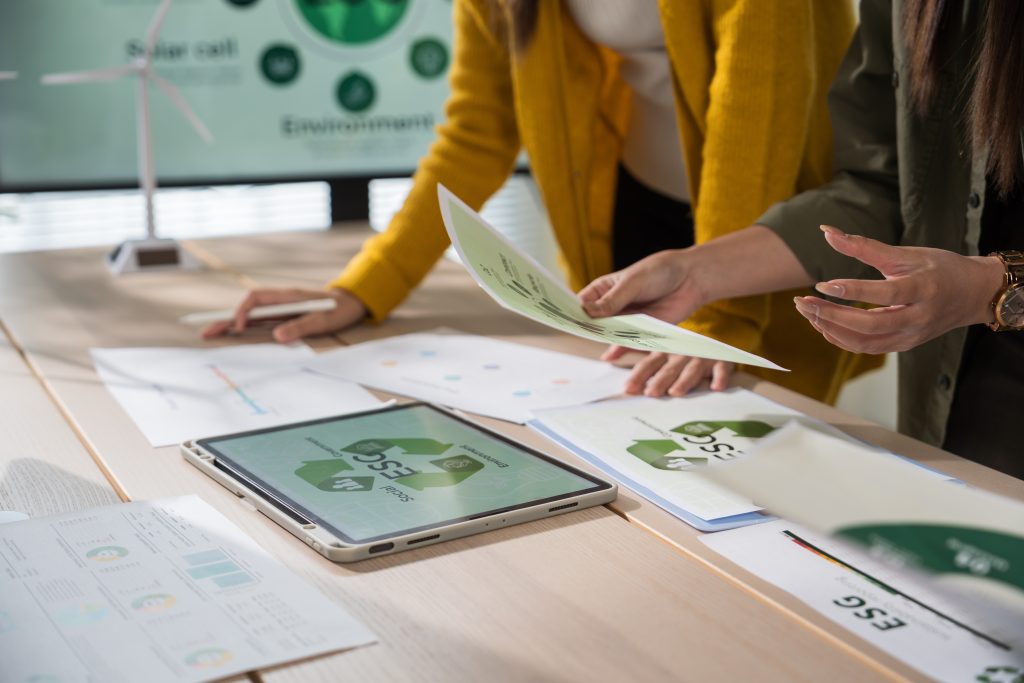
Measuring and reducing emissions is an important part of decarbonisation, but carbon is only one part of a wider environmental picture. Energy use, materials, waste, supply chains, environmental risks and regulatory requirements are often closely connected, and decisions in one area can have consequences elsewhere.

This is where environmental management provides a broader perspective. Reducing electricity consumption, for example, can lower emissions while improving resource efficiency. Changing a supplier can affect a company’s carbon footprint, but it can also influence costs, resource use and supply-chain risk.

Environmental management therefore involves more than collecting emissions data. Organisations also need to interpret environmental information, understand relevant policies, assess risks and balance environmental objectives with operational realities.

A technically sound sustainability target still needs to work within financial, resource and organisational constraints. Knowledge across environmental policy, resource management and sustainability can help professionals understand these connections and translate broader environmental goals into informed organisational decisions.

Start With What You Can Measure

The path to net zero can be complex, but progress starts with clarity. Understanding where emissions come from gives businesses a stronger basis for setting priorities, making informed decisions and focusing resources where they can have the greatest impact.

As sustainability becomes more closely connected with operations, risk, regulation and long-term planning, businesses will need to look beyond carbon measurement alone. Strong environmental management can help organisations turn sustainability goals into practical decisions that support both environmental and business priorities.

Build Deeper Expertise in Environmental Management and Sustainability

Building deeper expertise in environmental management and sustainability can help professionals assess complex environmental challenges, interpret policy and make more informed business decisions, including those that support an organisation’s progress towards net zero.

Learn more about Newcastle Australia’s Master of Environmental Management and Sustainability. The program covers environmental policy, sustainability, resource management and organisational decision-making, helping professionals turn net-zero ambitions into practical and measurable action.